


The Islamic Law Literacy Initiative (ILLI)
A pioneering public education initiative designed to make the Islamic legal tradition accessible, practical, and relevant for Muslims.
Introduction
The Islamic Law Literacy Initiative (ILLI) was created to address the fragmented and uneven landscape of Islamic legal learning in English-speaking Muslim communities. Our aim is to cultivate a community of Muslims—scholars, practitioners, and everyday believers alike—who understand Islamic law’s logic, ethics, and history; who can recognize distortion when they encounter it; and who can bring clarity, mercy, and coherence back to communal conversations about the law.
What’s New
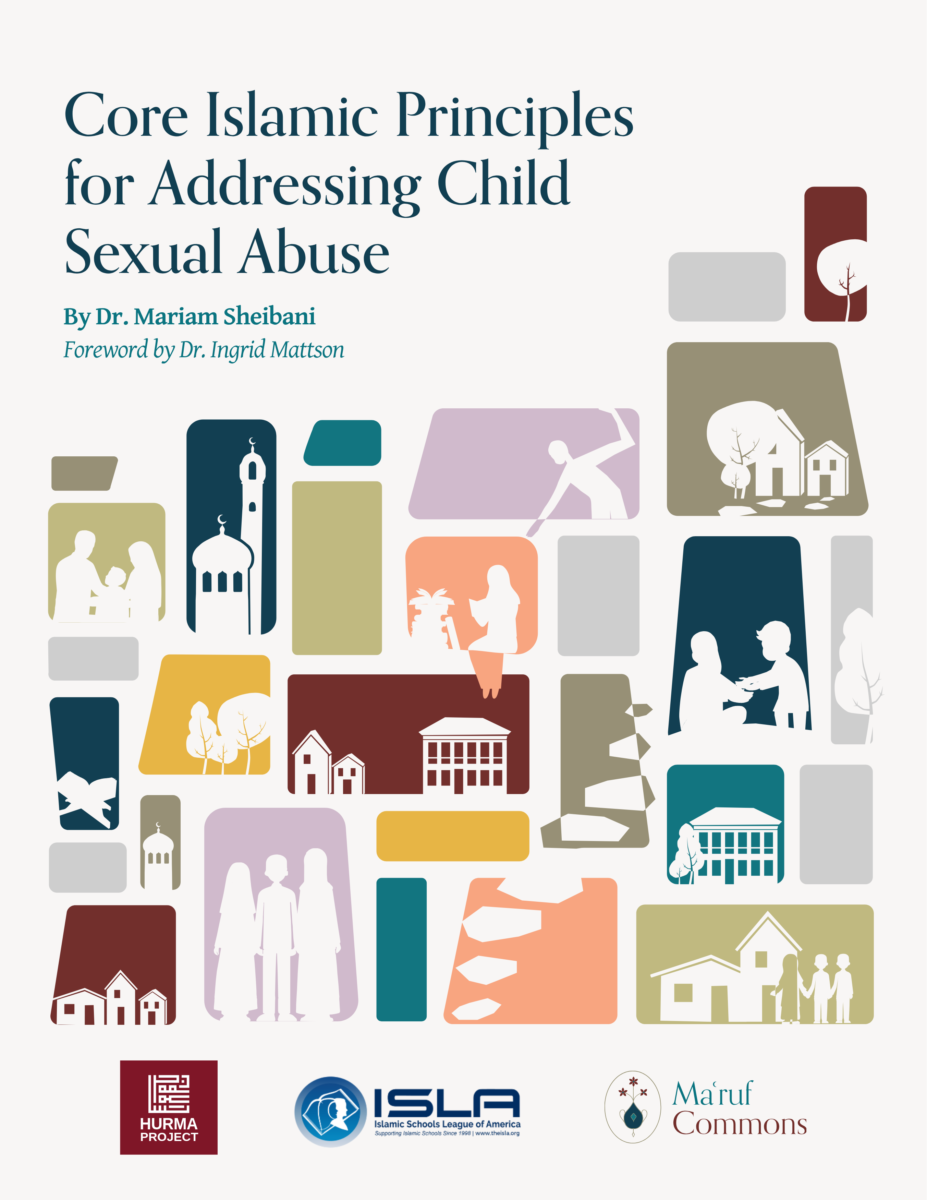
Core Islamic Principles for Addressing Child Sexual Abuse
This guide is produced through a collaboration between Maʿruf Commons, Hurma Project, and Islamic School League of America (ISLA) to specifically address the core Islamic principles needed to ensure children’s safety from sexual abuse in Muslim spaces.
This resource serves as a foundational guiding document for the Islamic School League ISLA’s Sexual Abuse Prevention Toolkit by offering faith-rooted guidance that supports professional safeguarding standards and trauma-informed practice. It also supplements the Hurma Project’s forthcoming Handbook for Preventing and Responding to Spiritual Abuse in Muslim Spaces by focusing specifically on child sexual abuse and drawing on the foundational insights of the Hurma Project.
Tracks Overview
The Islamic Law Literacy Initiative offers four tailored learning tracks
Tracks Overview
The Islamic Law Literacy Initiative offers four tailored learning tracks. Together, these tracks form a graded and integrated model that empowers Muslims to engage with Islamic law at the depth appropriate to their roles, needs, and responsibilities.

Track 1: Everyday Muslims
Foundational legal literacy that extends beyond ritual worship to include practical family life, financial ethics, and the broader aims of the law.

Track 2: Practitioners
Applied legal learning for professionals serving Muslim communities, such as educators, chaplains, mental health professionals, and community organizers.Applied legal learning for professionals serving Muslim communities, including educators, chaplains, mental health professionals, and community organizers.

Track 3: Seminary Teachers & Students
Historical grounding and analytical tools that strengthen traditional training and support contextually aware teaching, legal reasoning, and community leadership.

Track 4: Legal Professionals
Continuing Legal Education (CLE) oriented learning that bridges Islamic law with civil and common law frameworks, enriching legal practice and public engagement. Together, these tracks form a graded and integrated model that empowers Muslims to engage Islamic law at the depth appropriate to their roles, needs, and responsibilities.

