Learning Tracks
Why Different Tracks?
Recognizing the diverse roles Muslims play in communal life, the Islamic Law Literacy Initiative offers four learning tracks that equip each group with the literacy required to serve effectively.

Everyday Muslims
For everyday Muslims, literacy builds confidence and clarity in their own religious lives. They can distinguish the legal from the cultural, the obligatory from the recommended, and the valid from the moral. They recognize when a ruling is misused, when a text is decontextualized, and when a matter requires an expert. They approach disagreement with maturity rather than anxiety, and engage with family, money, and worship with a sense of calm responsibility and ethical clarity. Equipped with the tools to ask better questions and discern reliable guidance, they are no longer vulnerable to distorted online voices or superficial DIY fiqh, but instead experience Islamic law as a source of clarity and mercy.

Practitioners: Therapists, Chaplains, Educators, Caseworkers
For community-serving professionals, literacy transforms practice. Practitioners already operate within Islamic legal space—whether they intend to or not—when supporting clients navigating marriage conflicts, intergenerational struggles, trauma, financial hardship, or ethical dilemmas. With legal training, they can partner more effectively with religious leadership, understand the boundaries of their role, recognize harm, and identify when a matter requires a fatwa, a legal process, or a therapeutic intervention. Literacy provides them with language, categories, and frameworks that protect clients, uphold religious integrity, and enable collaborative, cross-disciplinary care.

Religious Leaders and Seminarians
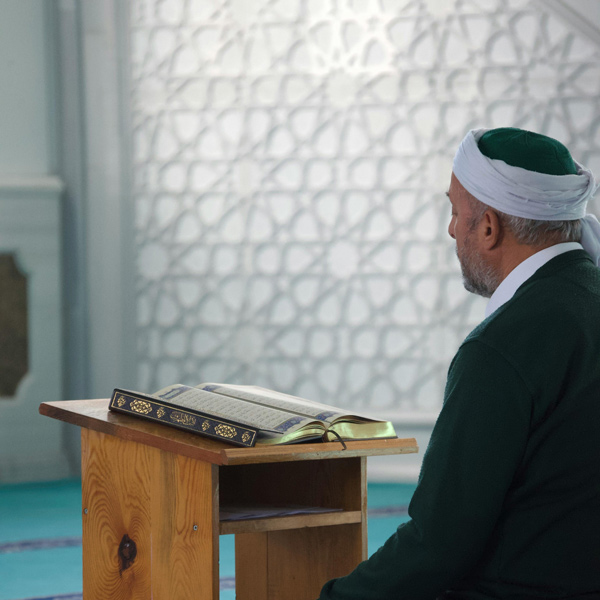
For imams and seminary students, legal literacy enhances—without replacing—traditional training. It situates classical fiqh within its historical evolution, clarifies its scope and limits, and strengthens the capacity to navigate contemporary problems that classical texts did not anticipate. Religious leaders trained in this way learn to identify authoritative sources and discern which ruling or practice among a range in our tradition is contextually appropriate. They also develop skills to engage in cross-disciplinary collaboration and communicate rulings transparently in a digital age, where credibility must be demonstrated, not assumed. They can address family, financial, and ethical cases with greater confidence, nuance, and compassion, grounded in the strengths of the tradition and the realities of modern life.
Lawyers and Policy Makers
For lawyers, policy advocates, and those working at the intersection of Islamic and civil law, literacy provides a shared vocabulary and framework that bridges the two legal systems. It enables them to develop community processes, institutional protocols, and policy solutions that reflect Islamic values while functioning coherently in American civic life. They can support mosques and community institutions in areas such as religious divorce, mediation, safeguarding, and financial ethics, creating durable structures that address long-standing gaps in family law and communal leadership.